27 October 2026 4 min read
An enzyme the brain makes helped old mice keep their memory, study finds
Old mice with more of one brain enzyme kept their memory better, and mice without it aged faster. The work was in mice and cells, and there is no treatment.
The short version
- What was studied: old mice whose memory centre had more or less of one enzyme the brain makes, plus human brain cells grown in a dish [1].
- What it found: more of the enzyme went with less memory loss and fewer signs of brain aging. Without it in one group of nerve cells, brain aging got worse [1].
- What it does not show: that the enzyme protects memory in people. The work was in mice and cells, the summary gives no animal counts, and there is no treatment [1].
Some people stay sharp into old age, even when their brains show the wear of the years. Scientists call this kind of staying power cognitive reserve, and they have long wondered what lies behind it [2].
A team at Massachusetts General Hospital and Harvard Medical School may have found one reason, so far in mice. It is an enzyme, a protein that speeds up a chemical job in the body. Old mice whose memory centre made more of it kept their memory better. Mice whose nerve cells there could not make it showed faster brain aging [1].
This was in mice, plus human cells grown in a dish. There is no treatment, and nobody knows yet whether the enzyme works the same way in people [1].
The study was led by Cinzia Vicidomini, with Amar Sahay as senior author, and published in Nature Neuroscience in October 2026. The public record of the paper does not list a funder [1].
What is the enzyme?
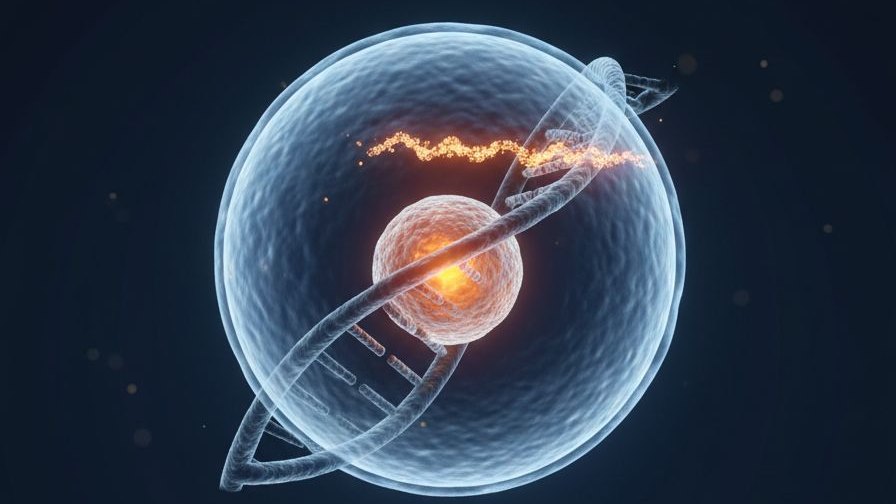
The enzyme is called PLA2G2F. It belongs to a family of enzymes that cut apart certain fats found in the outer skin of cells. This one is secreted, which means cells send it outside themselves to act on their neighbours [1][3].
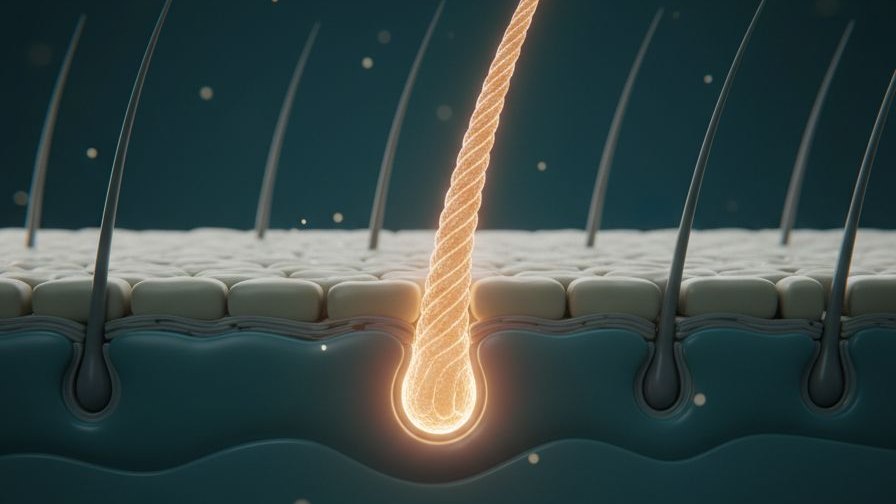
It was first studied in skin. In 2015, a team in Tokyo found that it helps keep the outer layer of skin healthy. Two of that team's scientists are also authors on the new paper [1][3].
In the new study, the team looked in the hippocampus, a part of the brain that helps form memories. They focused on a group of nerve cells there called dentate granule cells. They searched for things these cells make when they start to lose synapses, the tiny junctions where nerve cells pass signals. The enzyme turned up in that search, and the cells made more of it as the mice got older [1].
What did the mice show?
When the team removed the enzyme from those cells, aging hit the mice harder. They lost more synapses. Support cells in the brain, called microglia and astrocytes, became more inflamed, or swollen and overactive. Fewer new nerve cells formed, and fat built up in small drops inside cells. These mice also lost more memory [1].
Then the team did the opposite. Boosting the enzyme in the same cells during aging was enough to prevent those changes and protect memory [1]. The authors summed up their reading this way:
Our findings implicate PLA2G2F as a compensatory neuroprotective broadcast signal that maintains lipid homeostasis to counteract aging-associated cognitive decline.
Vicidomini and colleagues, Nature Neuroscience, 2026 [1]
In plain words, the authors think the enzyme is a signal the aging brain sends out to protect itself. It seems to work by keeping fats in balance, which helps hold off memory loss with age [1].
To check that the enzyme's cutting job mattered, the team made a version with its working part broken. That version did not clear the fat drops or calm the inflamed support cells [1].
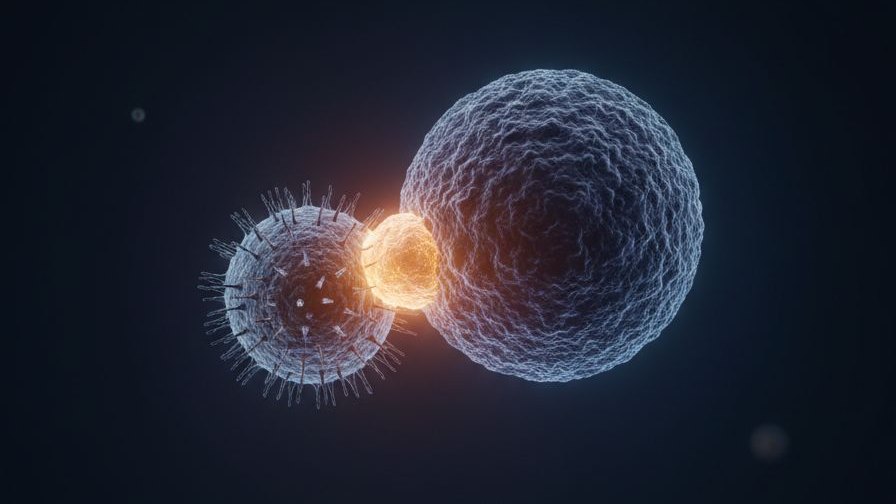
The team also grew human microglia in a dish from stem cells, which are cells that can turn into many other kinds. Nerve cells making the enzyme lowered the load of fat drops and a stored form of cholesterol in those human cells [1].
What does the study not show?
It does not show that the enzyme protects memory in people, or that raising it would be safe. The mouse work changed the enzyme with lab tools, not with a medicine, and no drug does this. The paper's summary also gives no counts of mice, so how many animals each result rests on is not known from it [1].
The summary does say that the enzyme's activity is linked to cognitive resilience in humans. Resilience is a broad word for a mind that holds up better than expected for the wear seen in the brain. But the summary does not say how many people that link rests on, or how it was measured [1][2].
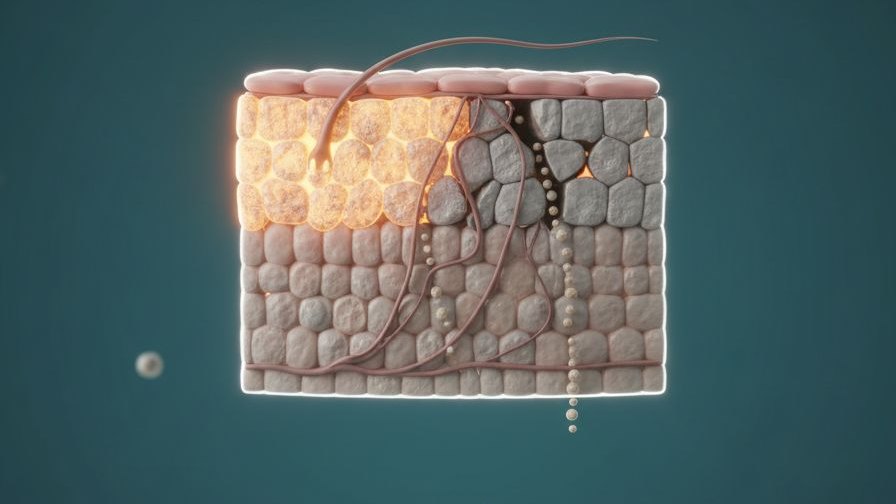
Skin gives a reason for care. By contrast with the brain results, mice made to carry extra of this enzyme in their skin grew thick, scaly patches like those of psoriasis, a skin disease. The same enzyme that seems to help in one place can cause trouble in another [3].
What this work does show is a new idea worth testing. In aging mice, one enzyme the brain already makes seemed to help memory hold up, and losing it made brain aging worse [1].
What it does not show
that the enzyme protects memory in people. The work was in mice and cells, the summary gives no animal counts, and there is no treatment [1].
Sources
- An aging-sensitive secreted phospholipase confers neuroprotection and cognitive resilienceNature Neuroscience, 2026
- Whitepaper: Defining and investigating cognitive reserve, brain reserve, and brain maintenanceAlzheimer's & Dementia, 2020
- The role of group IIF-secreted phospholipase A2 in epidermal homeostasis and hyperplasiaJournal of Experimental Medicine, 2015
How we wrote this: numbers are given just as the scientists reported them. See Our rules for writing and How we fix mistakes.